If you’re weighing a move into healthcare — maybe out of retail, warehousing, food service, or caregiving — sterile processing keeps coming up for a reason. It’s one of the few clinical-adjacent careers you can enter in months, without a degree, without direct patient care, and without a school on every corner. But “you can get in fast” isn’t the same as “it’s a good career.” Here’s the honest answer, with the trade-offs laid out.
The short version
For the right person, sterile processing is a genuinely good career: stable, in-demand, hands-on, meaningful, and a real ladder into higher-paying healthcare roles — with a low cost and time barrier to entry. It is not glamorous, it can be physically demanding, and the pay starts modestly. If you value steady, behind-the-scenes work where precision matters more than personality, it fits. If you want bedside patient interaction or a fast track to six figures, it doesn’t.
The rest of this guide walks through pay, demand, day-to-day reality, who thrives, and how to start.
What the job is (in one paragraph)
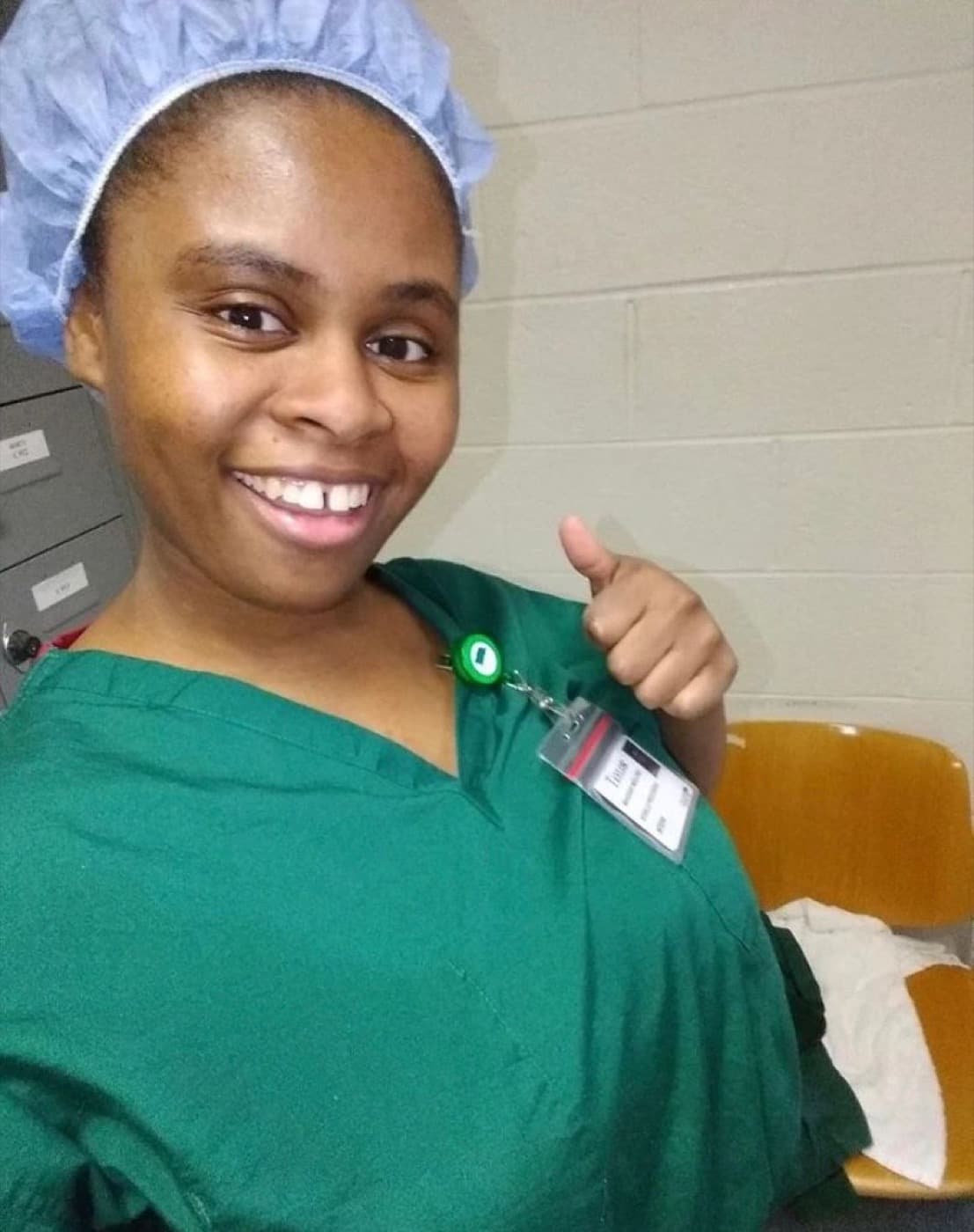
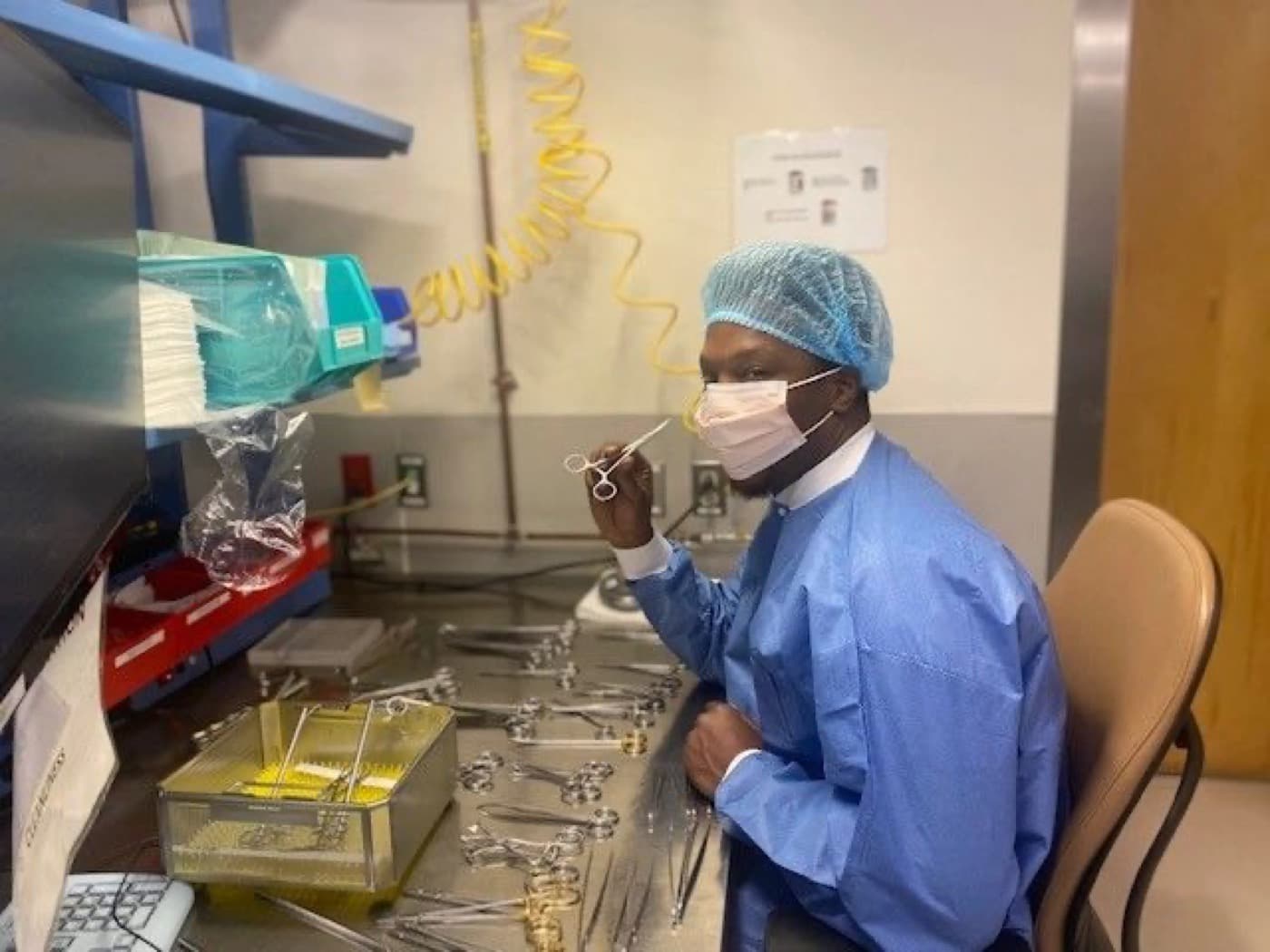
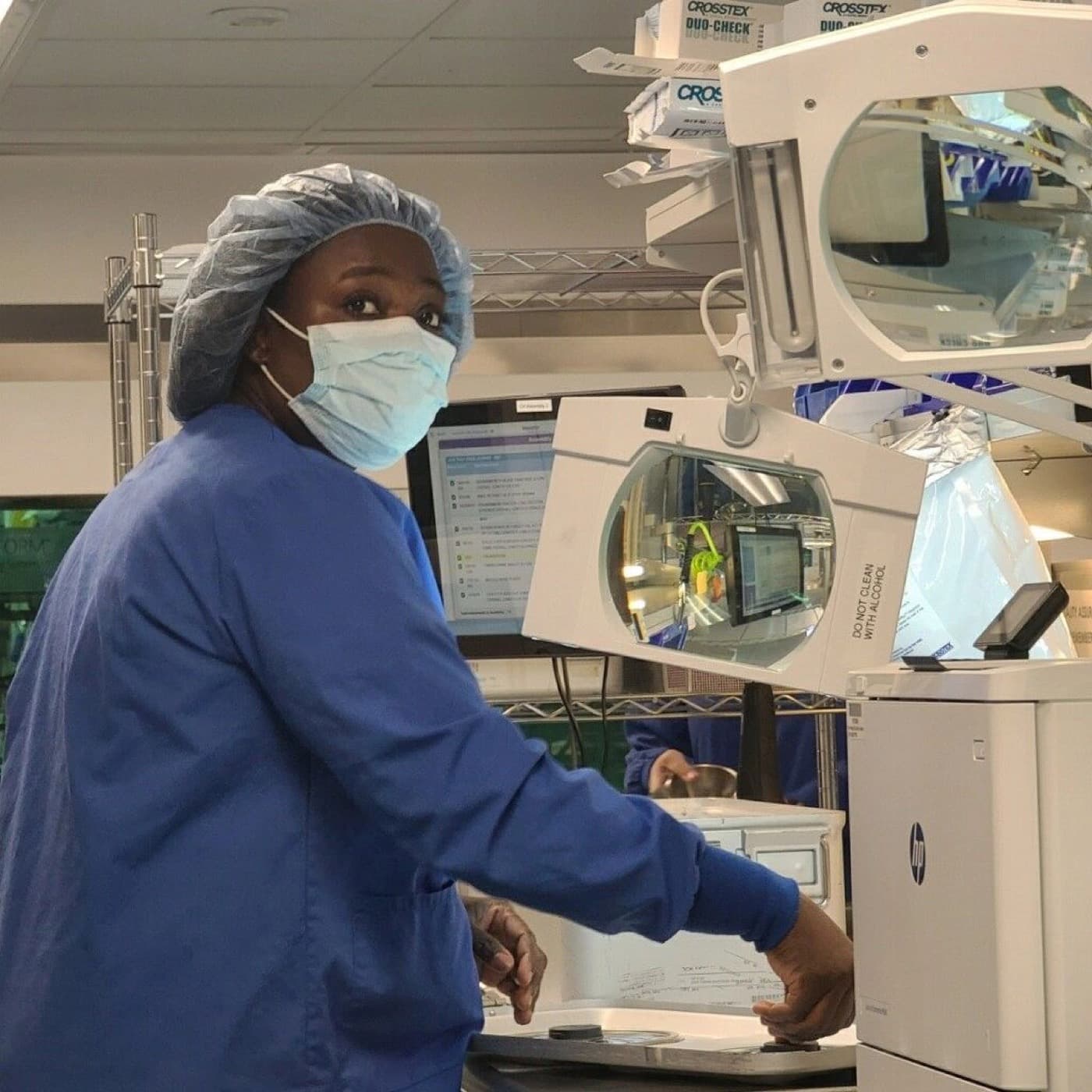
A sterile processing technician — also called a central service or SPD tech — cleans, inspects, assembles, and sterilizes the surgical instruments that operating rooms depend on. No sterile instruments, no surgery. You work behind the scenes in the decontamination and sterilization department, not at the bedside. For the full tour of the department and what a shift feels like, read What Does a Sterile Processing Technician Actually Do? and What Is SPD?
Is the pay good?
Honest answer: it starts modest and grows. The U.S. Bureau of Labor Statistics tracks the role under medical equipment preparers, and the national median sits in the high-$40,000s, with the top end climbing well past that in high-cost states, on night and weekend shifts (which pay differentials), and as you add credentials and move up. Current, live wage data — national and by state — is on the BLS website, and we break down what techs really earn in Sterile Processing Technician Salary.
The bigger point: entry pay is the floor, not the ceiling. Certifications (CRCST, then CIS and CHL) and advancement move the number meaningfully.
Is it in demand? (Yes — and it’s structural)
Two forces keep demand high. First, surgical volume keeps rising as the population ages, and every procedure needs reprocessed instruments. Second, states are increasingly making certification the law — New Jersey, New York, Connecticut, Pennsylvania, Tennessee, and Delaware already require it, and Minnesota’s requirement takes effect January 1, 2028. When a state mandates certification, employers need certified techs they can’t easily find — good news for anyone holding the credential. See the full map in Do You Need Certification? A State-by-State Guide.
The honest pros and cons
Pros
- Fast, affordable entry — months, not years; no degree required.
- Stable and recession-resistant — surgery doesn’t stop.
- No bedside care — a healthcare career for people who’d rather not do direct patient care.
- Clear advancement — tech → lead → educator → supervisor → manager.
- Transferable and portable — every hospital and surgery center in the country runs an SPD.
Cons
- Physical — you’re on your feet most of a shift, lifting trays, pushing case carts, in full protective gear in decontam.
- Behind the scenes — little patient contact and little visibility; the work is essential but rarely celebrated.
- Detail pressure — a missed step has real consequences, so the standards are strict.
- Shift work — hospitals run 24/7, so evenings, nights, and weekends are common early on.
Who actually thrives in SPD
The best-fit techs tend to be people who like process and precision, take pride in doing a job exactly right, and don’t need the spotlight. Former mechanics, line cooks, military, warehouse leads, and caregivers often do exceptionally well — the habits transfer. If you’re detail-driven and reliable, this career rewards you. If you get bored by repeatable process, it won’t.
How long does it take, and what does it cost?
Most people are exam-ready after a focused program — ATS cohorts run 16 weeks, or you can move faster self-paced — then complete 400 hands-on hours under HSPA’s provisional pathway (you can pass the exam first, then finish the hours within six months). Start-to-certified commonly lands within a year. Cost is training plus the $140 CRCST exam fee; ATS programs are $1,850 (virtual) or $2,500 (in-person). The full breakdowns are in How Long Does It Take? and How Much Does It Cost?
Aseptic Technical Solutions is an independent training provider and is not affiliated with HSPA.
Where the career can go
The CRCST is a floor, not a ceiling. From technician, the ladder runs through lead tech, SPD educator, supervisor, and department manager — and specialty credentials (CIS for instrument specialist, CHL for the management/leadership track) open each door. We map it out in From Technician to Leader.
So — is it right for you?
If you want a stable, meaningful healthcare career you can start this year without a degree or a huge tuition bill, and you’re comfortable with hands-on, detail-heavy, behind-the-scenes work, sterile processing is one of the best on-ramps in healthcare. The next steps are simple:
- Confirm what your state requires — start here.
- Learn exactly how to break in — How to Become a Sterile Processing Technician.
- Pick a training path — compare virtual and in-person.
Ready to move? Our live virtual class gets you started today from anywhere, or grab the free Career Roadmap and we’ll help you map the whole thing out.
Frequently asked questions
Is sterile processing a good career?
For people who value stable, hands-on, behind-the-scenes work, yes. It offers fast, affordable entry into healthcare (months, no degree), strong and growing demand, and a clear ladder into higher-paying roles. The trade-offs are modest starting pay, physical demands, and shift work.
How much do sterile processing technicians make?
The BLS national median for medical equipment preparers sits in the high-$40,000s, with more on night/weekend shifts, in high-cost states, and as you add certifications and move up. See current figures on the BLS site and in the ATS salary guide.
Is sterile processing in demand?
Yes. Rising surgical volume and a growing list of states that legally require certification (NJ, NY, CT, PA, TN, DE, and Minnesota from 2028) keep demand for certified techs high.
Is sterile processing hard work?
It’s physically active and detail-intensive — expect to stand most of a shift, lift trays, wear protective gear in decontamination, and follow strict step-by-step standards. Most people adjust within a few weeks.
Can I start a sterile processing career with no experience?
Yes. There’s no degree requirement, and HSPA’s provisional pathway lets you pass the CRCST exam first, then complete your 400 hands-on hours within six months — so you can start from zero healthcare background.