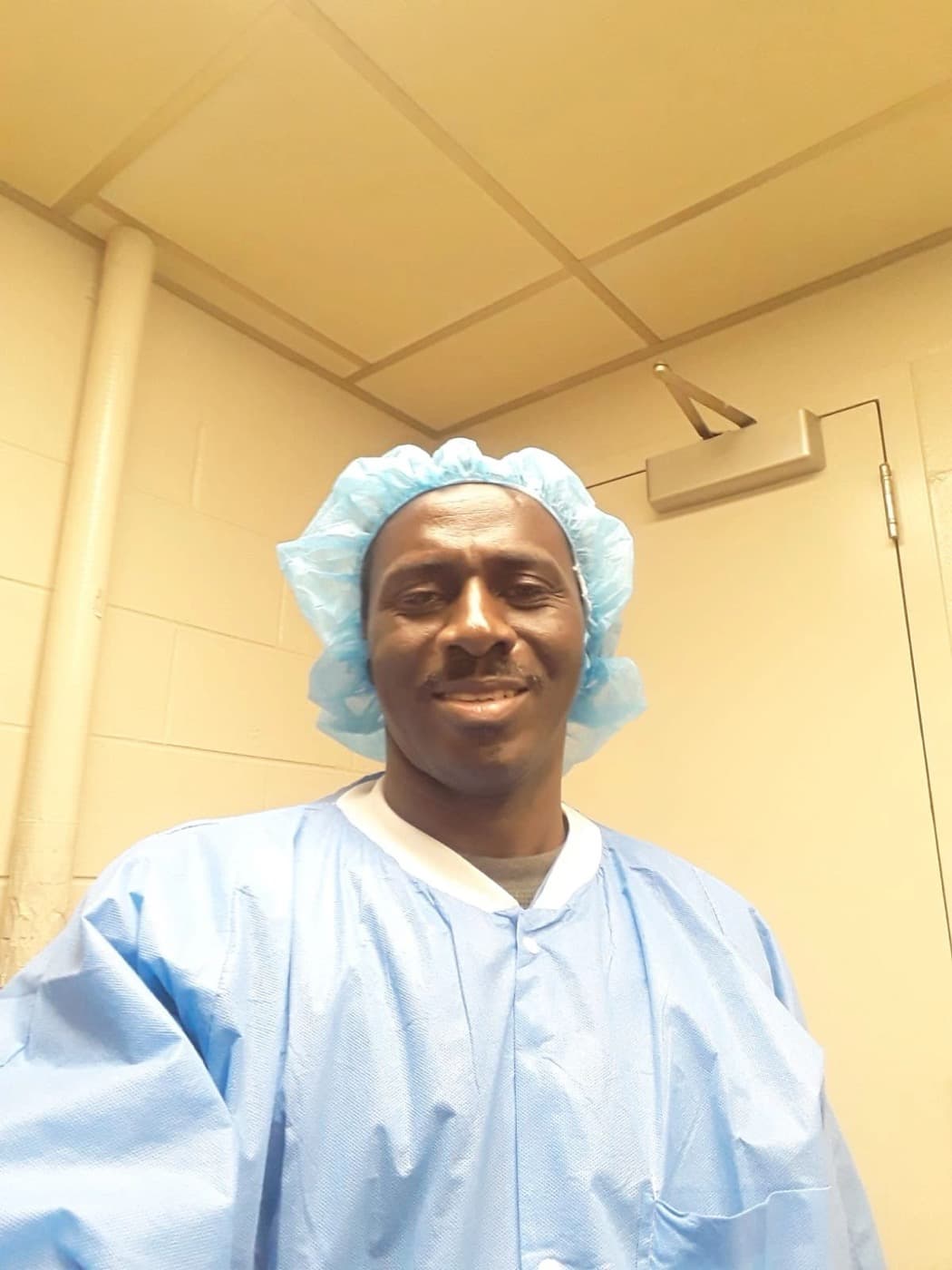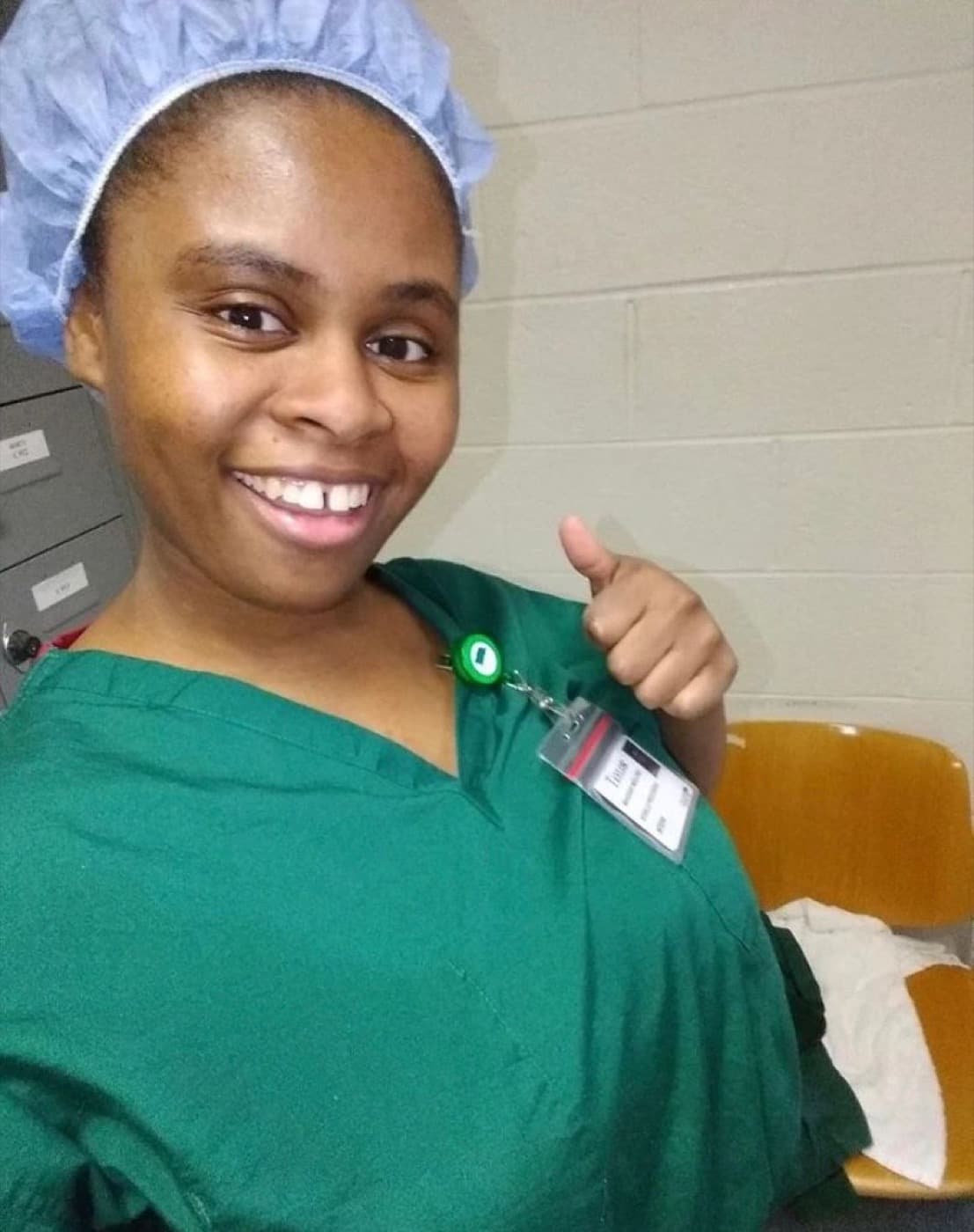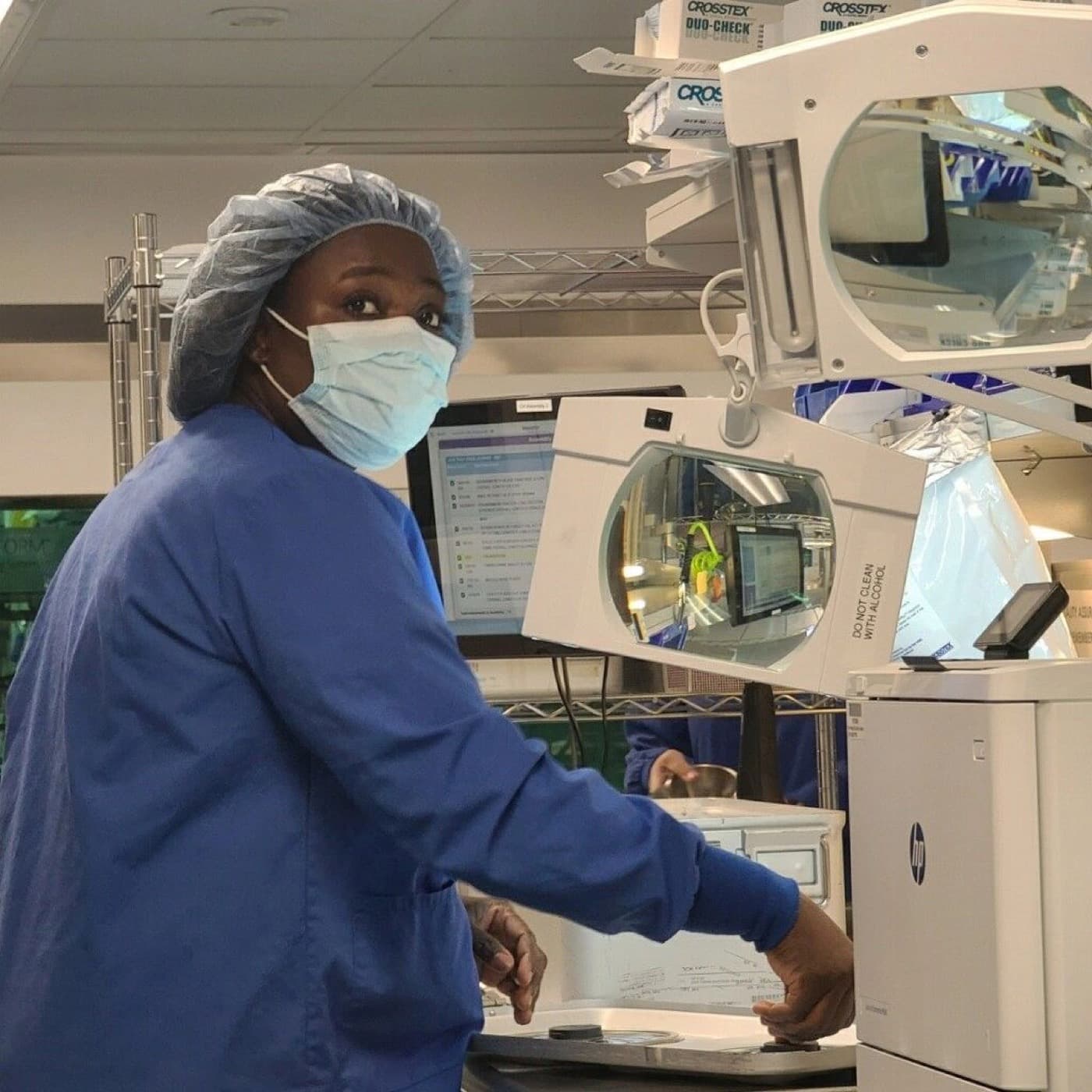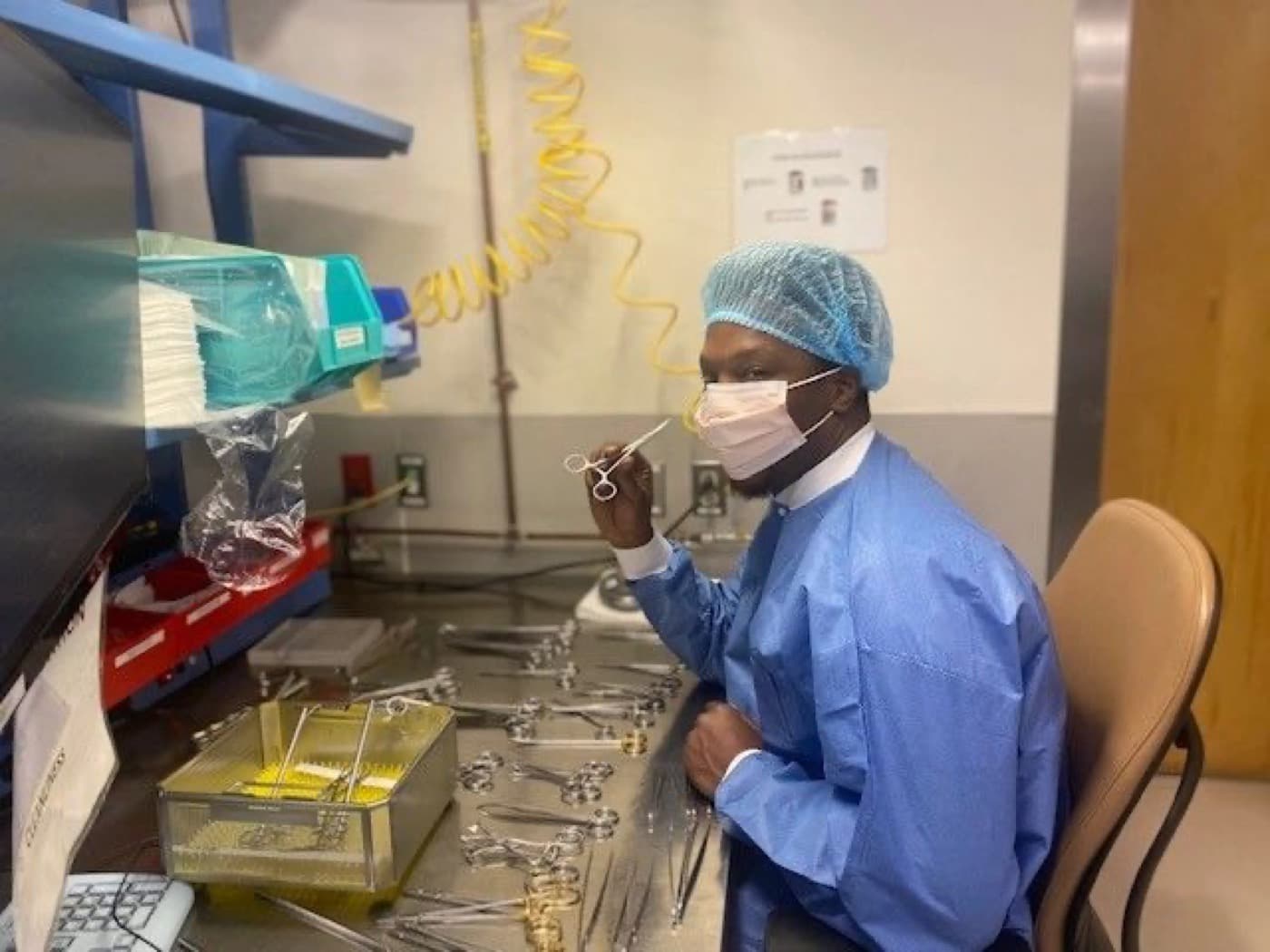
Whether you’re deciding if the role fits you or writing your résumé to match what employers want, it helps to see the job on paper. This is a plain, realistic sterile processing technician job description — the responsibilities, skills, requirements, and working conditions hospitals and surgery centers actually list — plus how to qualify if you’re starting from scratch.
Role summary
A sterile processing technician (also central service or SPD technician) is responsible for decontaminating, inspecting, assembling, sterilizing, storing, and distributing the surgical instruments and equipment a healthcare facility uses — following strict standards so every item that reaches a patient is safe. For the narrative version of a shift, see What Does a Sterile Processing Technician Actually Do?
Key responsibilities
Most job postings list some version of these duties:
- Decontamination: receive, sort, and clean used instruments using washer-disinfectors, ultrasonic cleaners, and manual methods, in full protective equipment.
- Inspection & assembly: examine instruments for cleanliness, function, and damage; assemble instrument trays to an exact count sheet.
- Packaging: wrap or containerize sets and apply chemical indicators.
- Sterilization: operate steam and low-temperature sterilizers; select and run the correct cycle for each load.
- Quality monitoring: perform and document biological and chemical monitoring; maintain accurate records for traceability.
- Storage & distribution: maintain sterile storage, rotate stock, and assemble and deliver case carts to the OR and other departments.
- Inventory & tracking: use instrument-tracking software and support inventory and equipment management.
Required skills and qualities
- Strong attention to detail and commitment to following standardized procedures exactly
- Manual dexterity and comfort handling delicate and complex instruments
- Ability to stand for long periods, lift trays, and push case carts
- Basic computer skills for tracking systems and documentation
- Reliable communication and teamwork with a fast-paced OR
- Dependability, including willingness to work shift schedules
Education and certification requirements
- Education: high school diploma or equivalent — no college degree required.
- Certification: most employers require or strongly prefer the CRCST (Certified Registered Central Service Technician) from HSPA, and in several states it is legally mandated (New Jersey, New York, Connecticut, Pennsylvania, Tennessee, and Delaware, with Minnesota from January 1, 2028). See Do You Need Certification?
- Experience: many postings ask for hands-on hours, but HSPA’s provisional pathway lets you certify first and complete your 400 hours after — which is how career-changers qualify. See How to Get a Sterile Processing Job With No Experience.
Aseptic Technical Solutions is an independent training provider and is not affiliated with HSPA.
Working conditions
Expect an active, physical role: on your feet most of a shift, protective gear in decontamination, and exposure to biohazards handled through strict safety protocol. Because hospitals run around the clock, evening, overnight, and weekend shifts are common — and usually pay a differential.
Pay
The BLS tracks the role under medical equipment preparers, with a national median in the high-$40,000s that climbs with shift differentials, high-cost regions, experience, and added credentials. See current data on the BLS site and our salary breakdown.
How to qualify if you’re starting out
- Complete a CRCST training program built on the HSPA 9th Edition — ATS offers live virtual ($1,850), and in-person ($2,500), all 16 weeks.
- Pass the CRCST exam (150 questions, $140) — you can test before you have experience under the provisional pathway.
- Complete 400 hands-on hours, ideally through a hospital internship.
The full roadmap is in How to Become a Sterile Processing Technician.
The bottom line
A sterile processing technician’s job is precise, physical, behind-the-scenes, and genuinely essential — with a low barrier to entry and a clear path up. If it reads like your kind of work, start with an in-person cohort or grab the free Career Roadmap.
Frequently asked questions
What are the main duties of a sterile processing technician?
Decontaminating used instruments, inspecting and assembling them into trays to a count sheet, packaging and sterilizing loads, documenting quality monitoring, and storing and delivering sterile case carts — all under strict standards.
What qualifications do you need to be a sterile processing technician?
A high school diploma or equivalent plus, for most employers, the CRCST certification. No college degree is required, and HSPA’s provisional pathway lets you certify before completing your 400 hands-on hours.
Do sterile processing technicians need to be certified?
Most employers require or strongly prefer the CRCST, and several states legally mandate certification (NJ, NY, CT, PA, TN, DE, and Minnesota from 2028). Elsewhere it’s typically an employer expectation.
What are the working conditions for a sterile processing technician?
An active, physical role — standing most of the shift, lifting trays, wearing protective gear in decontamination, and following strict safety protocol. Evening, overnight, and weekend shifts are common because hospitals run 24/7.
What skills should be on a sterile processing technician résumé?
Attention to detail, following standardized procedures, manual dexterity, physical stamina, basic computer/tracking-software skills, teamwork with the OR, and your CRCST credential — placed at the top.