Everyone who’s had surgery has trusted a sterile processing technician without ever meeting one. SPD techs are the reason the instruments in an operating room are clean, complete, and safe. But “they sterilize instruments” barely describes the job. Here’s what the work actually looks like — hour by hour, station by station — so you know what you’d be signing up for.
The one-sentence job
A sterile processing technician cleans, inspects, assembles, sterilizes, and distributes the reusable surgical instruments and equipment a healthcare facility uses — moving each tray through a strict, one-directional “dirty to clean” workflow so nothing contaminated ever reaches a patient. New to the department itself? Start with What Is SPD?
The workflow, station by station
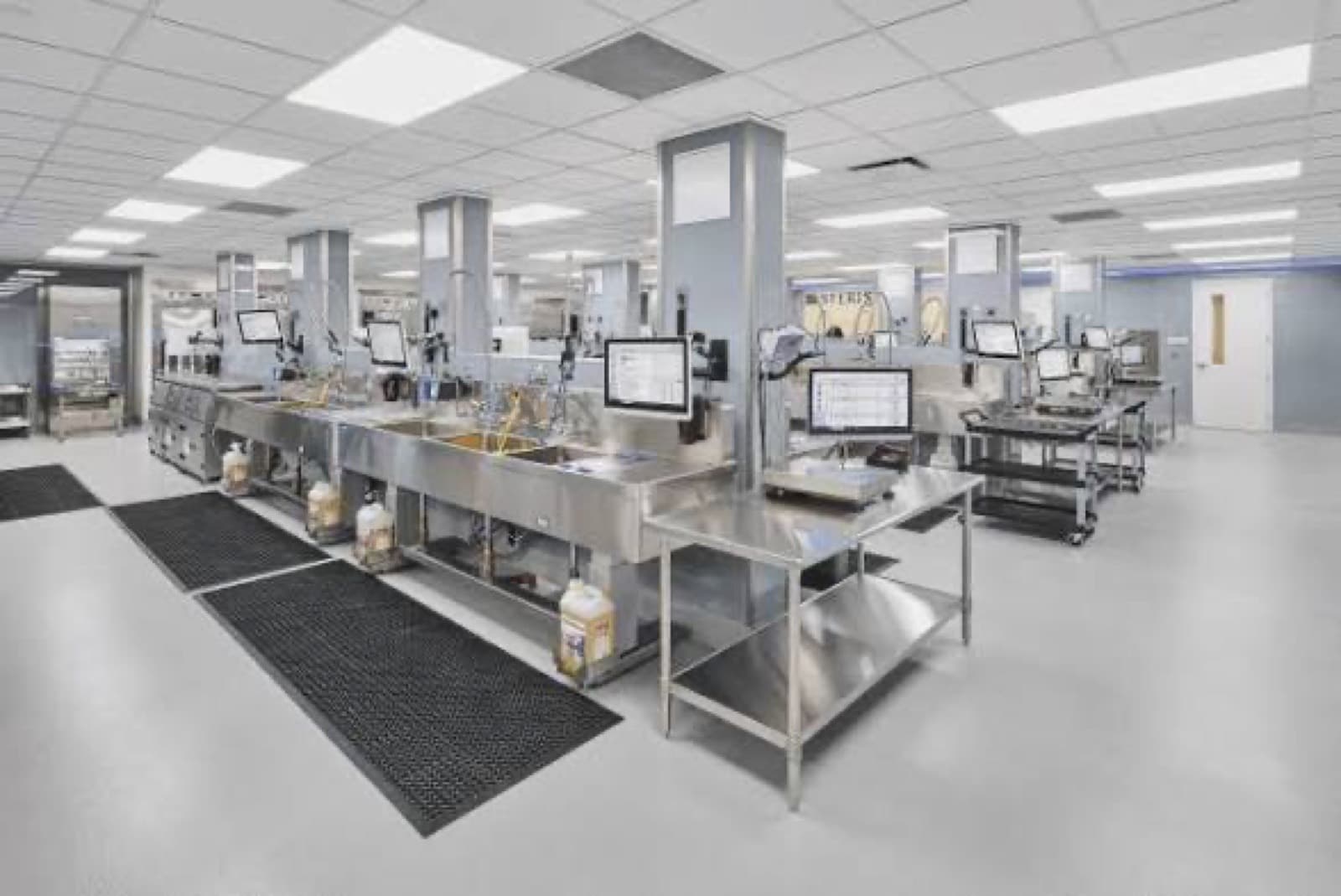
The department is built around a deliberate flow. Instruments only ever move in one direction — from dirty to clean — and techs typically rotate through each zone.
1. Decontamination (the “dirty” side)
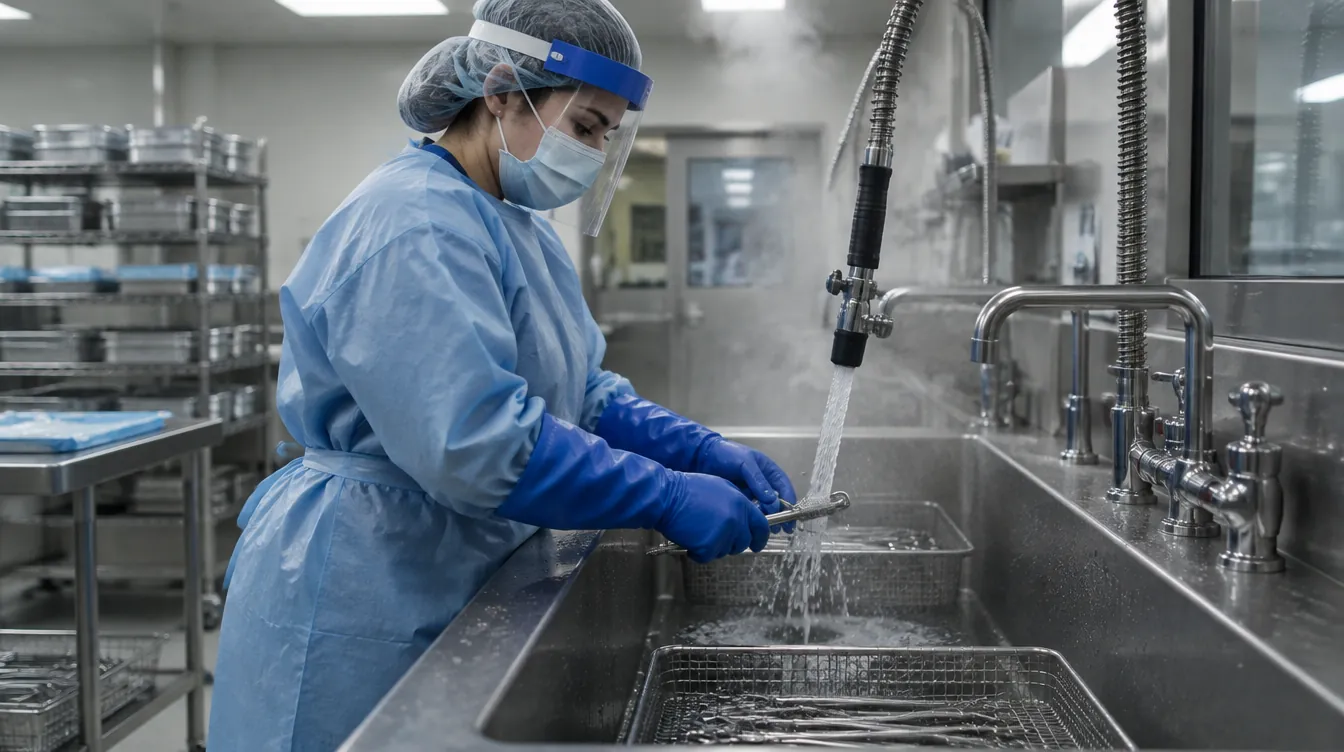
This is where used instruments arrive after surgery — soiled, and treated as biohazardous. In full protective equipment (gown, gloves, mask, face shield), you:
- Sort and disassemble instruments
- Pre-clean and rinse, then run items through washer-disinfectors or ultrasonic cleaners
- Manually clean lumens and delicate items that machines can’t fully reach
It’s the most physical, least glamorous zone — and the most important. Nothing gets sterilized well if it wasn’t cleaned well first.
2. Prep & packaging (the “clean” side)
Cleaned instruments come through to the clean side, where the pace is precise and detail-driven. Here you:
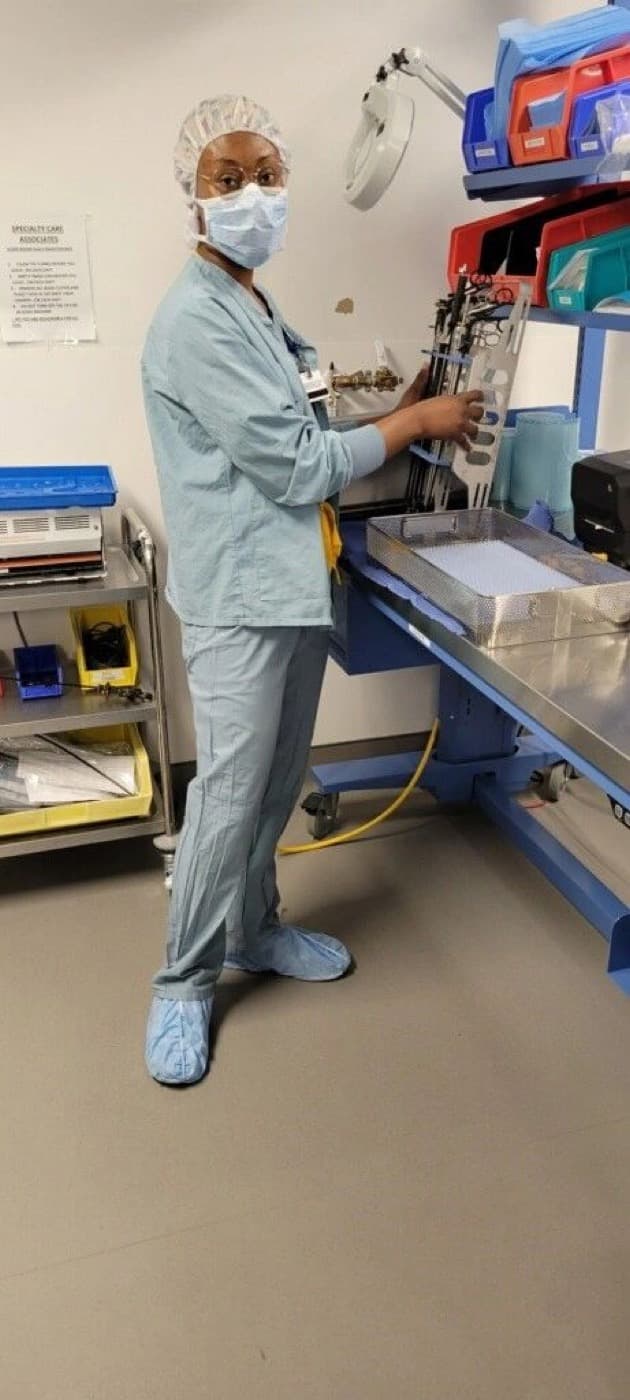
- Inspect every instrument for cleanliness, function, and damage (often under lighted magnification)
- Assemble instrument trays to an exact count sheet — every clamp, every scissor, in the right place
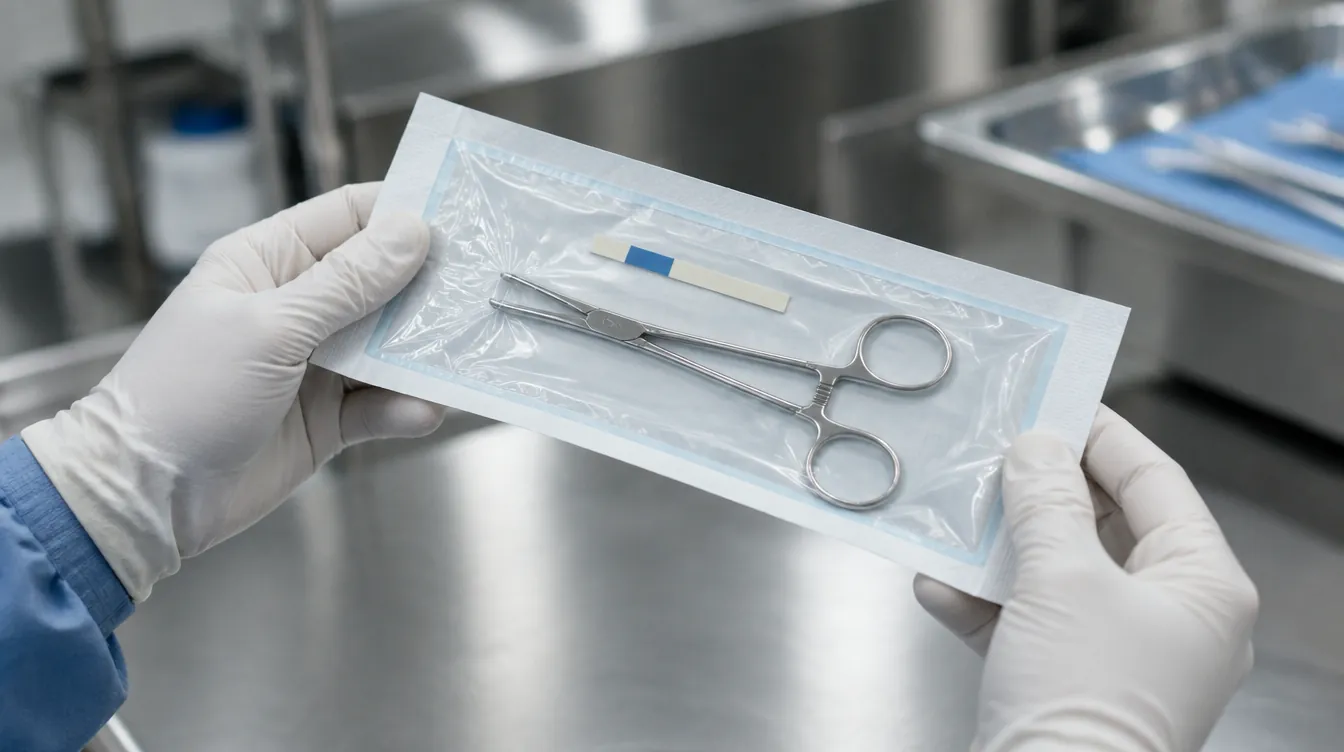
- Wrap or containerize trays and add the chemical indicators that verify sterilization
This is where the job rewards people who like getting things exactly right.
3. Sterilization
You load prepared trays into sterilizers and run the correct cycle for the material — steam (autoclave) for most metal instruments, low-temperature methods like hydrogen peroxide for heat-sensitive items. You’re responsible for running and documenting biological and chemical monitoring so every load is verifiably sterile.
4. Storage & distribution
Sterile trays are cooled, stored in a controlled sterile-storage area, and delivered to the operating room and other departments — often on case carts built for specific scheduled procedures. Inventory, rotation, and getting the right tray to the right OR on time all live here.
A realistic day
No two days are identical, but a shift often looks like this: clock in, gown up, and start clearing the decontamination backlog from the previous shift’s cases; rotate to the prep-and-pack side to build trays against the OR schedule; load and monitor sterilizer cycles; restock and deliver case carts; and handle the “stat” requests — an urgent tray an OR needs turned around fast. Communication with the OR is constant. The clock and the schedule set the rhythm.
What the job demands of you
Sterile processing is physical and detail-intensive:
- On your feet for most of the shift, lifting trays and pushing carts
- Protective gear in decontamination — it gets warm
- Zero-tolerance for shortcuts — a missed step has real patient consequences
- Steady focus — the work is repeatable, and the standards never relax
Hospitals run 24/7, so evening, overnight, and weekend shifts are common, especially early in a career (they often pay a shift differential). For an honest look at whether the trade-offs are worth it, read Is Sterile Processing a Good Career?
The skills that matter
You don’t need a degree, but you do need: manual dexterity and comfort with your hands, strong attention to detail, the discipline to follow standardized processes exactly, basic tech comfort (sterilizers and tracking software), and reliable communication with a busy OR. Most of the technical knowledge — microbiology basics, instrument identification, cycle parameters, quality assurance — you learn in a CRCST training program built on the HSPA 9th Edition.
Aseptic Technical Solutions is an independent training provider and is not affiliated with HSPA.
Where techs do this work
Hospitals are the biggest employer, but the same role exists in ambulatory surgery centers, endoscopy and dental clinics, and third-party instrument reprocessing companies — often with friendlier hours than a hospital. Job postings use several titles for the same work: sterile processing technician, central service tech, SPD tech, and instrument technician.
The bottom line
A sterile processing technician does the exacting, behind-the-scenes work that makes surgery safe — cleaning, inspecting, assembling, sterilizing, and delivering instruments through a strict dirty-to-clean flow. It’s hands-on, essential, and learnable in months. If that sounds like your kind of work, see exactly how to become one, or start with an in-person cohort. Want it mapped out for you? Grab the free Career Roadmap.
Frequently asked questions
What does a sterile processing technician do all day?
They move surgical instruments through a strict dirty-to-clean workflow: decontaminating used instruments, inspecting and assembling them into trays to a count sheet, running and documenting sterilizer cycles, and storing and delivering sterile case carts to the operating room and other departments.
Do sterile processing technicians work with patients?
No. SPD is behind-the-scenes work. You protect patients by making their instruments safe, but you typically don’t provide any bedside or direct patient care — which makes it a strong healthcare entry point for people who prefer not to.
Is being a sterile processing technician hard?
It’s physically active and detail-intensive rather than academically difficult. Expect to stand most of the shift, lift trays, wear protective gear in decontamination, and follow strict step-by-step standards. Most people adjust within a few weeks.
What are the main areas of a sterile processing department?
Four: decontamination (cleaning the dirty instruments), prep and packaging (inspecting and assembling trays), sterilization (running sterilizer cycles), and storage and distribution (staging and delivering sterile case carts to the OR).
What skills do you need to be a sterile processing technician?
Manual dexterity, strong attention to detail, discipline to follow standardized processes exactly, basic comfort with sterilizers and tracking software, and clear communication with the OR. The technical knowledge is taught in a CRCST training program.