One of the best-kept secrets about sterile processing is that the entry-level technician job is a doorway, not a ceiling. The CRCST gets you in; from there, the field has a clear, credential-backed ladder into specialist, educator, and management roles — each with more responsibility and more pay. Here’s the whole map.
The starting point: CRCST technician
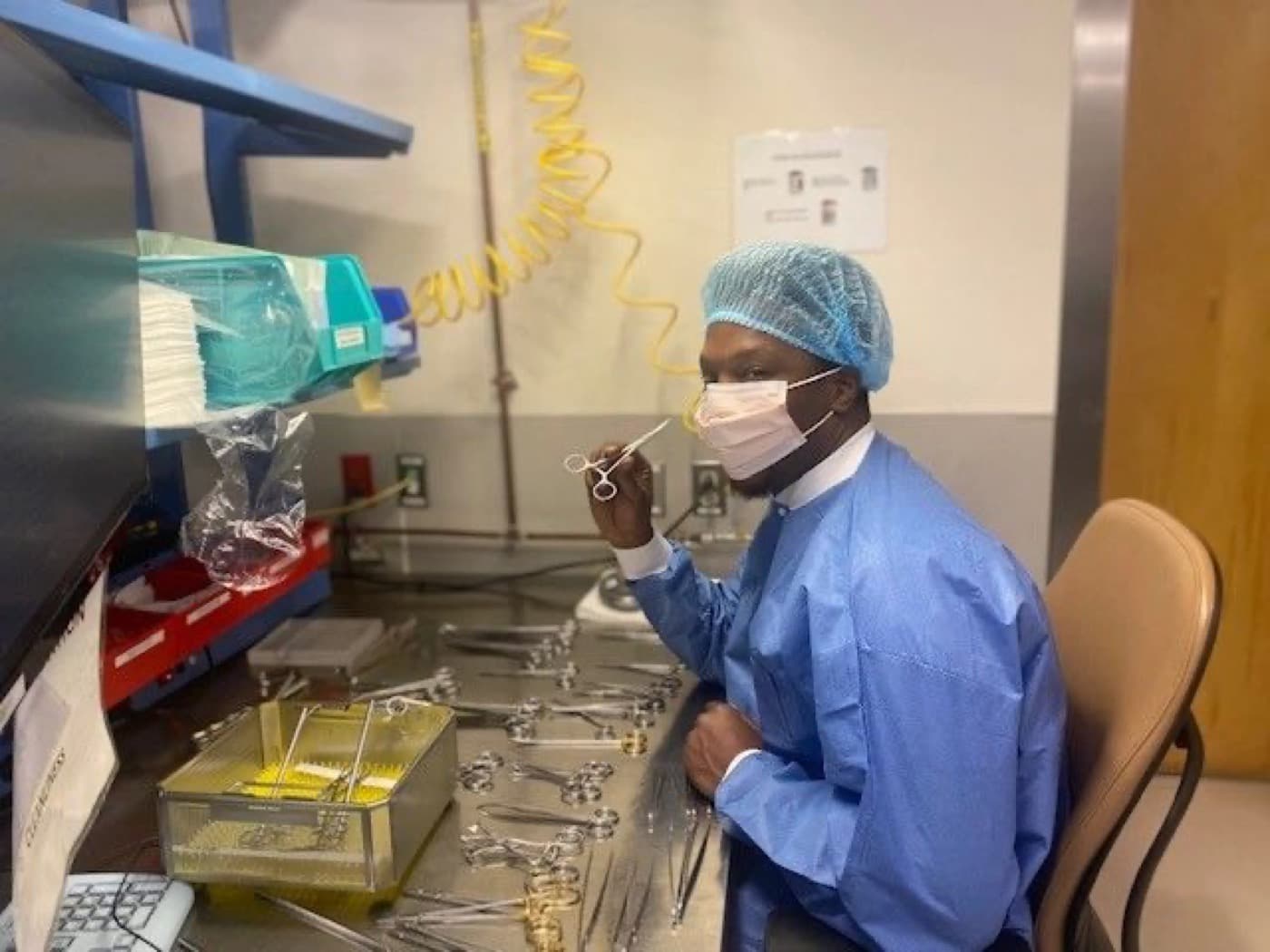
Everyone starts here. You earn the CRCST, complete your 400 hands-on hours, and work as a sterile processing technician — rotating through decontamination, prep and packaging, sterilization, and distribution. This is where you build the fluency everything else is built on. If you’re not here yet, start with How to Become a Sterile Processing Technician.
The advancement ladder
From technician, the path typically runs like this — though titles vary by facility:
- Sterile Processing Technician — the foundation.
- Lead / Senior Technician — you coordinate a shift, mentor newer techs, and own more of the quality process.
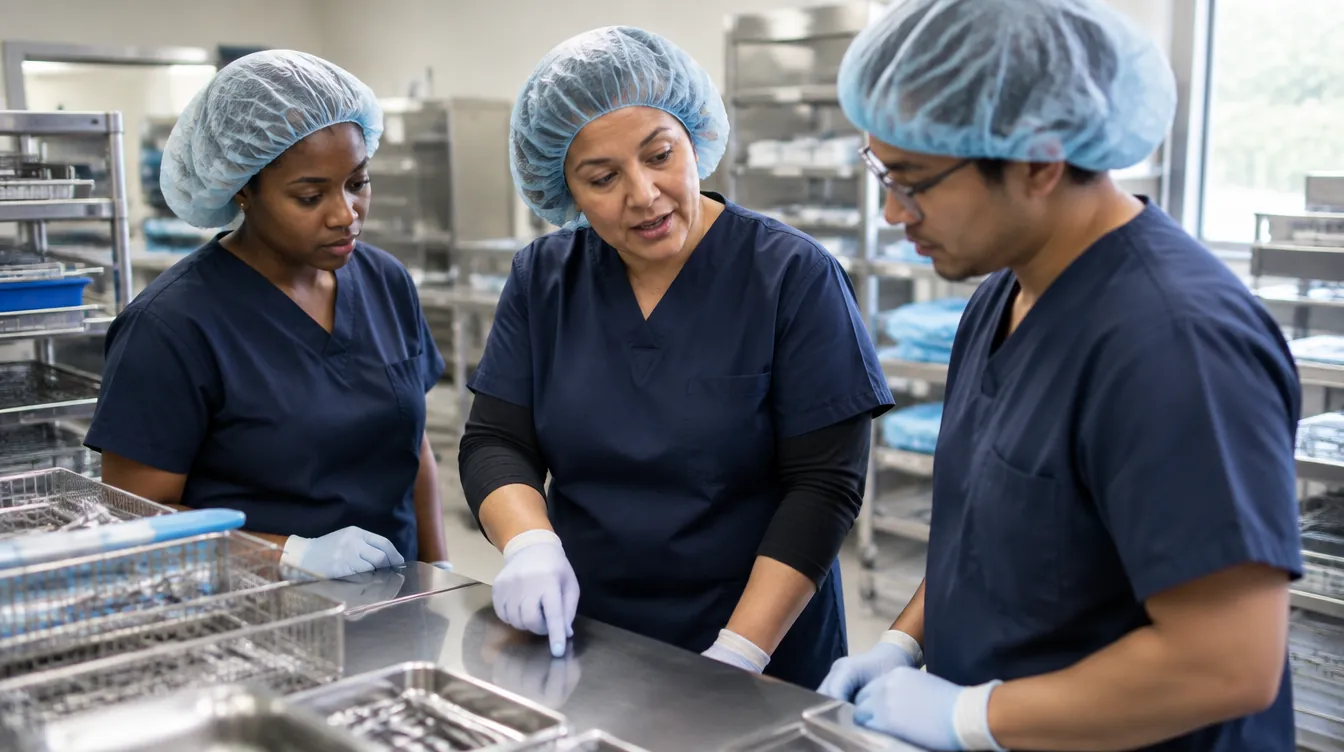
- SPD Educator / Trainer — you train and onboard staff and keep the department current on standards and instruments.
- Supervisor — you run day-to-day operations for a shift or area.
- SPD Manager / Director — you own the department: staffing, budget, compliance, and OR relationships.
Each rung adds responsibility, leadership, and pay. For a deeper look at making the leap from the bench into leadership, read From Technician to Leader.
Specialty credentials: how you actually move up
In sterile processing, credentials open doors. After the CRCST, HSPA offers specialty certifications that mark you as an expert and qualify you for higher roles:
- CIS — Certified Instrument Specialist: deep expertise in surgical instruments; valuable in complex, high-volume departments.
- CHL — Certified Healthcare Leader: the management and leadership track — the credential that supports moving into supervisor and manager roles.
- CER — Certified Endoscope Reprocessor: specialized flexible-endoscope reprocessing, an in-demand niche.
Stacking credentials (many leaders hold CRCST, CIS, CHL, and CER together) is the clearest way to raise both your expertise and your pay ceiling. Each one also comes with continuing-education upkeep — see CRCST Recertification & CEUs.
Aseptic Technical Solutions is an independent training provider and is not affiliated with HSPA.
How pay grows along the path
Entry pay is the floor. The BLS median for the role sits in the high-$40,000s, and it climbs meaningfully as you add credentials, take lead and supervisor roles, and move into management — where compensation reflects running an entire department. We break down the numbers in Sterile Processing Technician Salary.
Related paths you can branch into
Your SPD foundation also opens adjacent moves: surgical technologist (if the OR calls you — see Sterile Processing Tech vs. Surgical Technologist), instrument or equipment sales, infection prevention, and quality/compliance roles. The core knowledge — instruments, sterilization science, and quality standards — travels well across healthcare.
How to set yourself up to climb
- Get certified and get great at the fundamentals first. Leadership is built on credibility at the bench.
- Add specialty credentials deliberately — CIS to deepen, CHL to lead.
- Say yes to training and mentoring others — it’s the on-ramp to educator and supervisor roles.
- Keep your certifications current so you’re always eligible for the next move.
The bottom line
Sterile processing rewards people who keep growing: the CRCST is step one of a real career with a ladder into specialist, educator, and management roles, each backed by a credential and better pay. Start at the bottom of a ladder worth climbing — begin with an in-person cohort or grab the free Career Roadmap and we’ll help you plan the climb.
Frequently asked questions
What is the career path for a sterile processing technician?
It typically runs from technician to lead/senior technician, SPD educator, supervisor, and manager or director — each rung adding responsibility and pay. Specialty credentials (CIS, CHL, CER) qualify you for the higher roles.
How do you advance in sterile processing?
By mastering the fundamentals, adding HSPA specialty credentials (CIS for instrument expertise, CHL for leadership, CER for endoscope reprocessing), mentoring and training others, and keeping your certifications current so you’re eligible for the next role.
What certifications help you move up in sterile processing?
After the CRCST, HSPA’s CIS (Certified Instrument Specialist), CHL (Certified Healthcare Leader, the management track), and CER (Certified Endoscope Reprocessor). Many department leaders hold several at once.
Can you make good money in sterile processing?
Entry pay is modest, but it grows with credentials, lead and supervisor roles, and management positions. The BLS median sits in the high-$40,000s and climbs from there — see the ATS salary guide for the breakdown.
What jobs can you move into from sterile processing?
Beyond the SPD ladder (lead, educator, supervisor, manager), the foundation can lead to surgical technology, instrument or equipment sales, infection prevention, and quality or compliance roles.