If you’re looking at entry points into the surgical side of healthcare, two roles come up constantly: sterile processing technician and surgical technologist. They sound similar, they work with the same instruments, and they’re often confused — but the day-to-day, the training, and the fit are quite different. Here’s a clear comparison so you can pick the right one.
The one-line difference
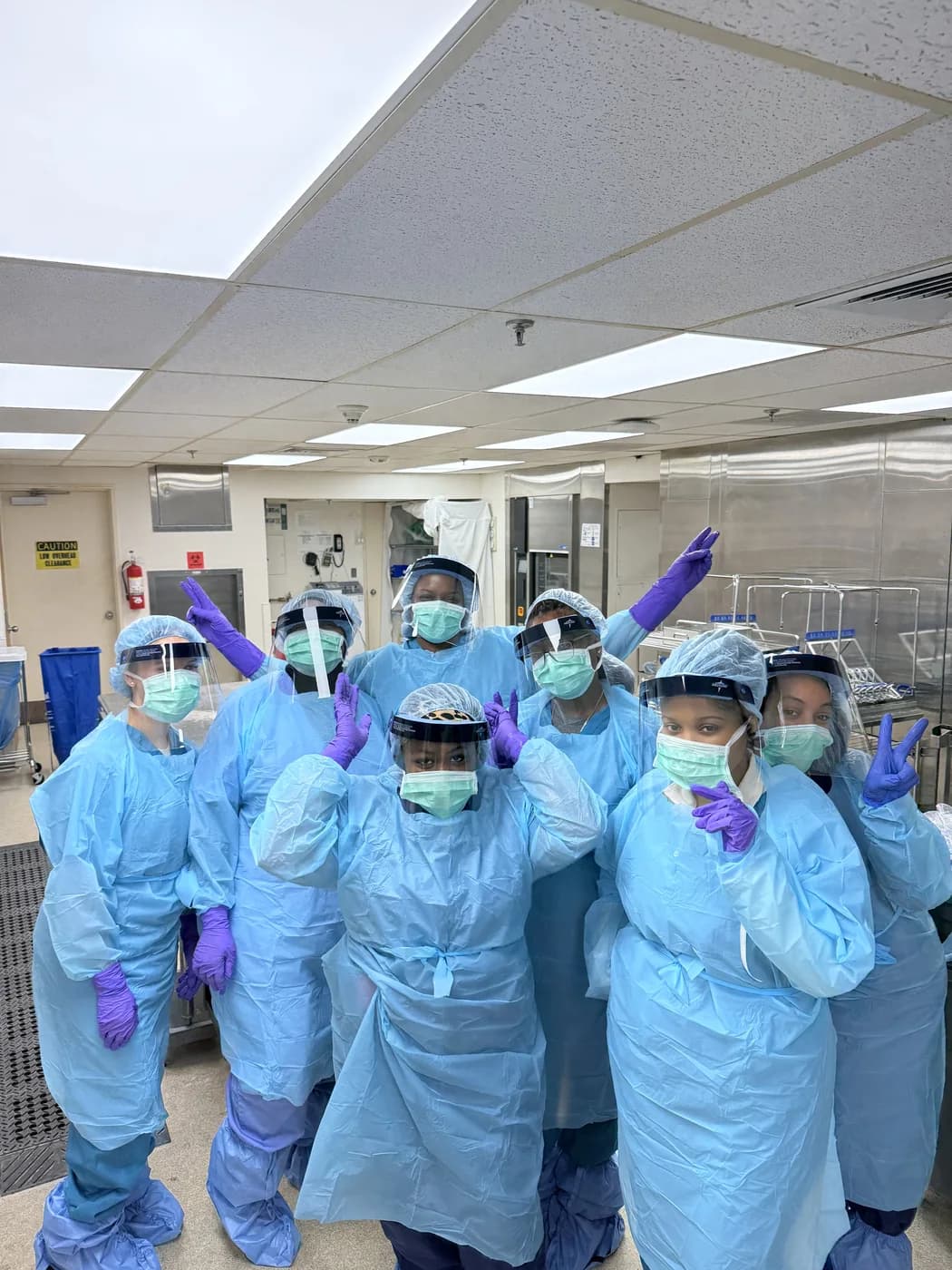
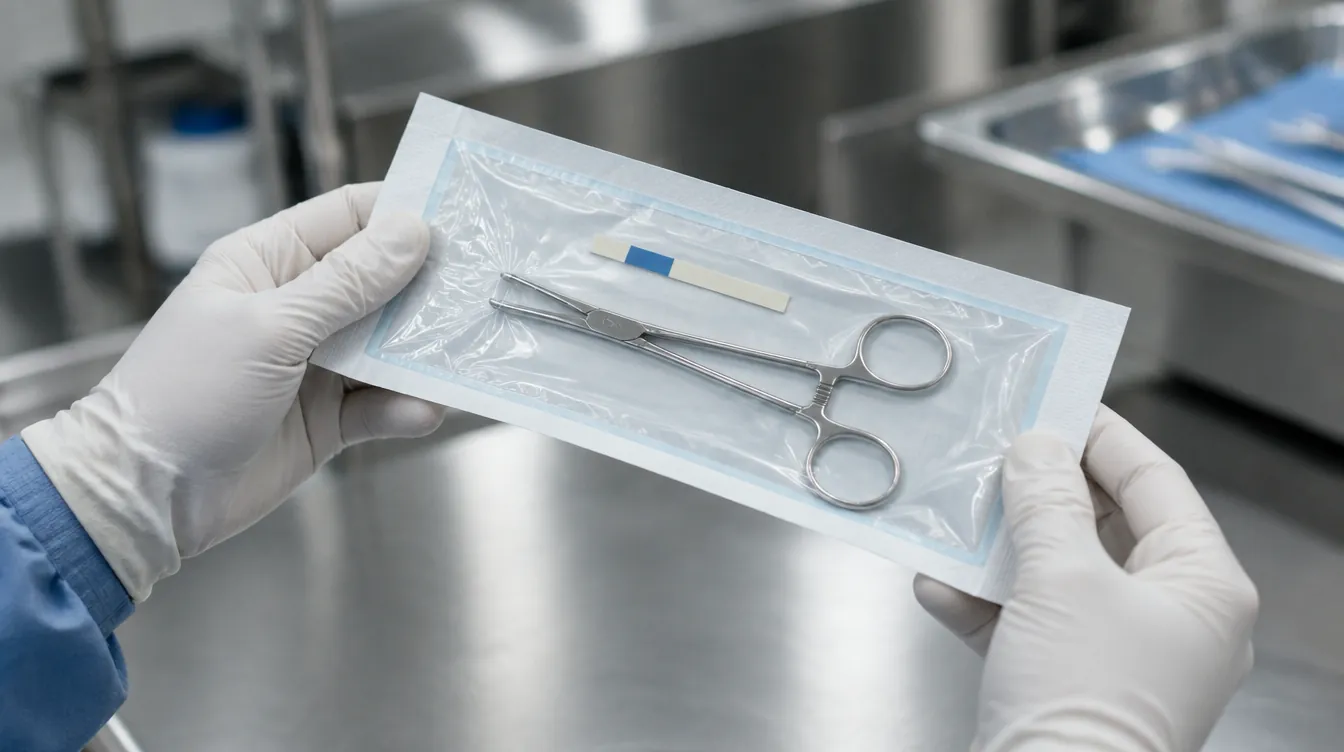
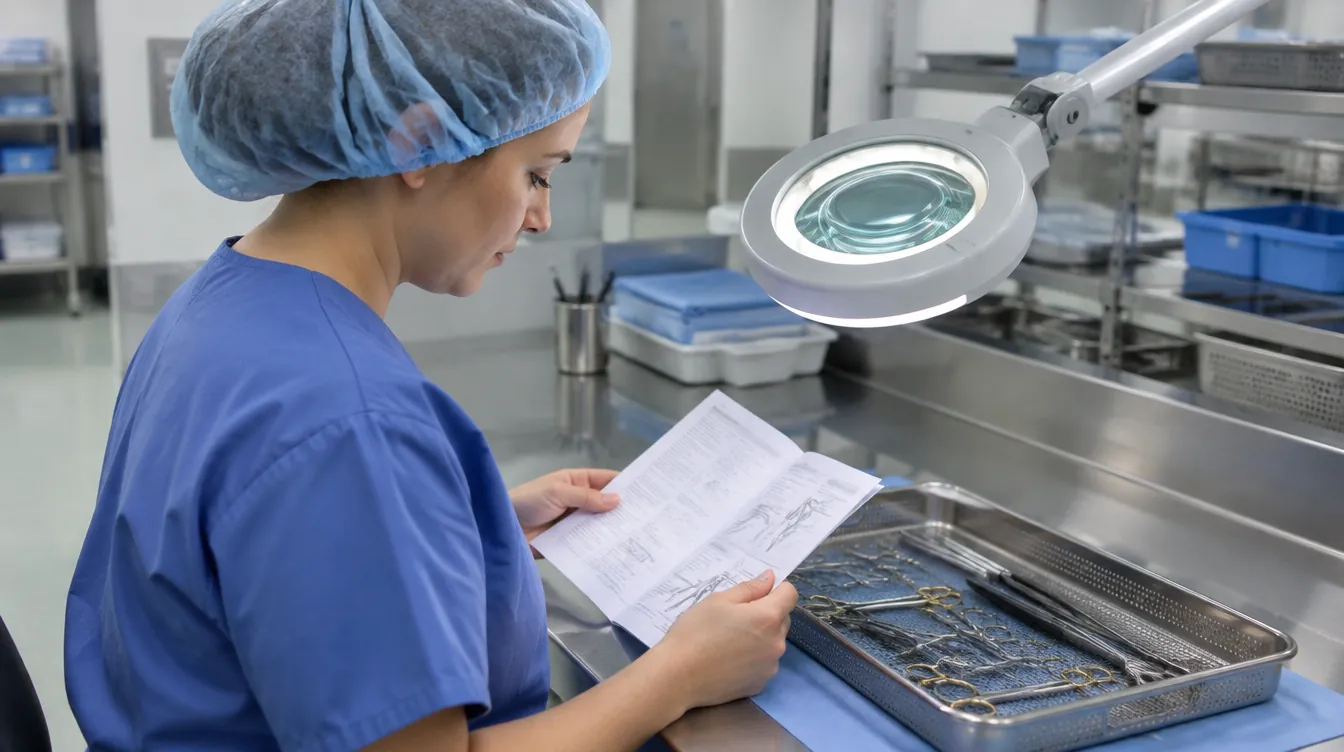
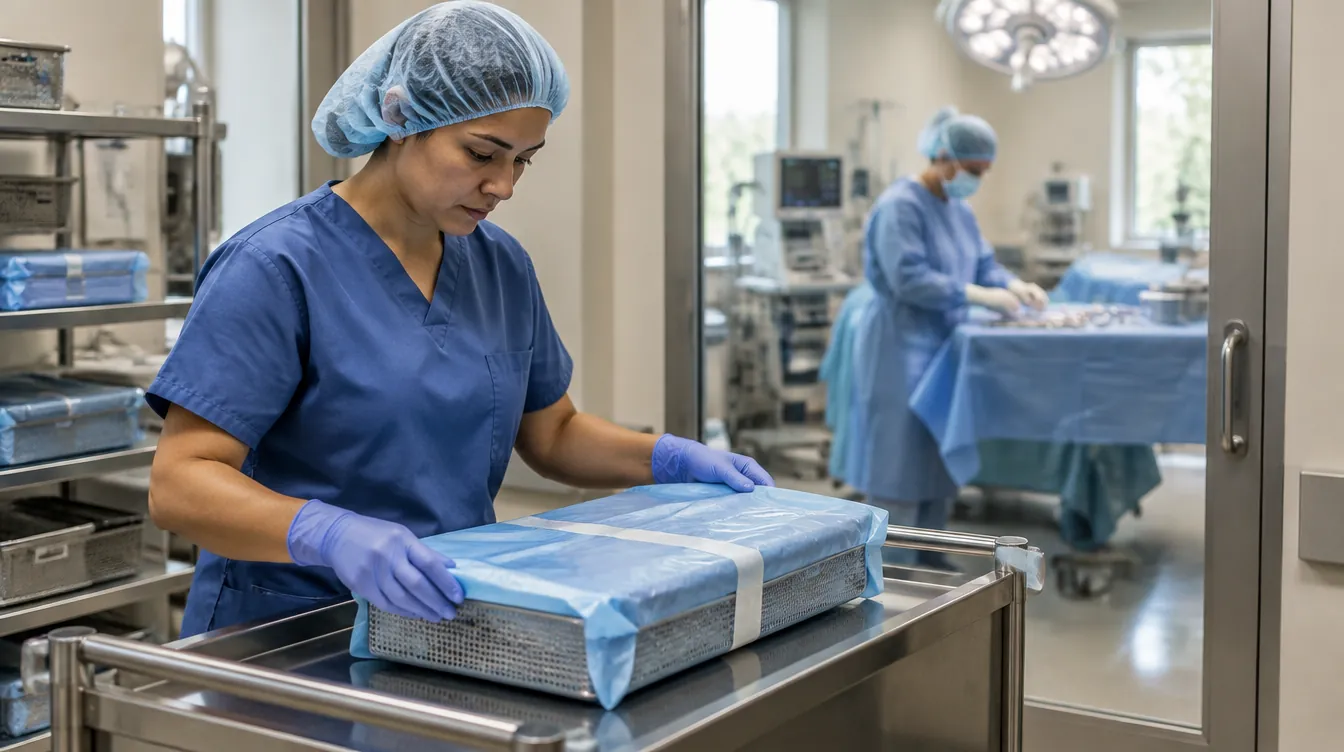
A sterile processing technician cleans, inspects, assembles, and sterilizes surgical instruments behind the scenes in the SPD. A surgical technologist (also “surgical tech” or “scrub tech”) works inside the operating room during surgery, setting up the sterile field and passing instruments to the surgeon. One prepares the instruments; the other uses them in the room.
Side-by-side comparison
| Sterile Processing Technician | Surgical Technologist | |
|---|---|---|
| Where you work | Sterile processing department (behind the scenes) | Operating room (during surgery) |
| Patient contact | None | In the room, but not hands-on care |
| Core job | Decontaminate, inspect, assemble, sterilize, distribute instruments | Set up sterile field, pass instruments during procedures |
| Typical credential | CRCST (HSPA) | CST (usually via an accredited program) |
| Training length | Months (e.g. a 16-week program) | Commonly a longer program, often 1–2 years / an associate degree |
| Entry barrier | Lower — no degree, fast, affordable | Higher — longer, accredited programs, often a degree |
| Environment | Physical, methodical, steady rhythm | Fast-paced, high-pressure, in the OR |
Sterile processing technician — the fast, behind-the-scenes path
SPD is one of the most accessible entry points in healthcare. You can train in months, there’s no degree requirement, and you’re not in the operating room or providing patient care. The work is physical and detail-driven, on a shift schedule. For the full picture, read What Does a Sterile Processing Technician Actually Do? and Is Sterile Processing a Good Career?
Choose SPD if you want to start quickly and affordably, prefer methodical behind-the-scenes work, and don’t want to be in the OR or provide patient care.
Surgical technologist — in the room, longer runway
Surgical techs are part of the surgical team in the OR. It’s a rewarding, high-stakes environment — but the entry cost is higher: programs are typically longer (often one to two years, frequently an associate degree), and the work is fast-paced and pressured, standing through long procedures.
Choose surgical tech if you specifically want to be in the operating room during surgery and you’re willing to invest more time and money up front to get there.
A smart on-ramp strategy
Many people start in sterile processing precisely because it’s fast and affordable, get into healthcare and onto a payroll, and then decide whether to specialize or advance. From SPD, you can grow through lead tech, instrument specialist (CIS), educator, and management (CHL) — see From Technician to Leader — or use the experience and income to pursue surgical tech later. SPD is a great first move even if the OR is your long-term goal.
Aseptic Technical Solutions is an independent training provider and is not affiliated with HSPA.
The bottom line
Both roles are essential to surgery. If you want the fastest, most affordable entry into the surgical world, without a degree and without being in the OR, sterile processing is the on-ramp — and it stands on its own as a stable, advancement-rich career. If being in the operating room during procedures is the whole point for you, surgical technology is worth the longer runway.
Leaning toward sterile processing? Compare the ATS training formats, start with an in-person cohort, or grab the free Career Roadmap.
Frequently asked questions
What’s the difference between a sterile processing technician and a surgical technologist?
A sterile processing technician cleans, inspects, assembles, and sterilizes instruments behind the scenes in the SPD. A surgical technologist works in the operating room during surgery, setting up the sterile field and passing instruments to the surgeon.
Which is easier to get into, sterile processing or surgical tech?
Sterile processing has the lower barrier — no degree required, training in months, and lower cost. Surgical technology programs are typically longer (often one to two years or an associate degree).
Does a sterile processing technician work in the operating room?
No. SPD techs work behind the scenes in the sterile processing department. They prepare and sterilize the instruments the OR uses, but they don’t work in the room during surgery.
Can I move from sterile processing to surgical tech?
Yes. Many people start in sterile processing because it’s fast and affordable, get into healthcare, and later pursue surgical technology or advance within SPD through lead, instrument specialist, educator, and management roles.
Which pays more, sterile processing or surgical tech?
Surgical technologists often have a somewhat higher median wage, reflecting their longer training. Sterile processing offers a much faster, cheaper entry and its own advancement ladder. Compare current figures on the BLS site.